Your cart is currently empty
Sporting an even more abundant amount of blooms in early Spring compared to the classic princess dogwood, the snow white color is sure to pop. Plant this in a distance at your favorite window and watch it dazzle you through the seasons!
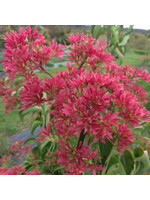
Another stunning addition from Rutgers 'Rosy Teacups' produces rosy pink showy flowers followed by attractive red fruits. Fall brings dramatic burgundy reds and purples. Dogwoods are a classic because of their beauty and attractive layered habit.
This is the latest greatest in smokebush! Very very dark purple foliage
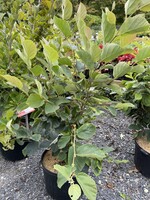
Native to PA fruit tree! Persimmon fruit ripen in the fall and are very sweet. Grows up to 60 feet tall in moist conditions but will stay much smaller and almost shrubby in dry fields.
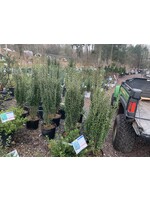
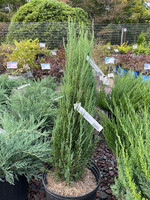
A nice evergreen shrub for narrow spaces. A US National Arboretum introduction that is very popular and widely used.
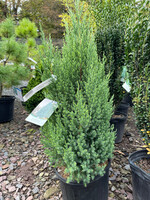
Good pyramidal evergreen. Works well as a hedge.
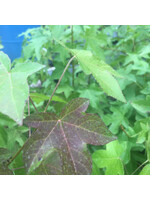
Low-maintenance deciduous native shade tree that is fast growing. Brilliant red, orange, yellow fall color on its interesting star shaped leaves.
Low-maintenance deciduous native shade tree that is fast growing. Brilliant red orange fall color. It does produce the sweetgum balls that people either love or hate. Grows up to 80 feet tall and 60 feet wide so give it room!
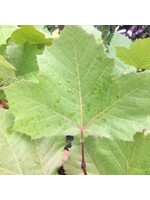
A large native shade tree that will get to be 70-90 feet tall. Large recognizable leaves adorn this tree along with stunning yellow and orange flower from which the tree was named.
Light yellow 3 inch fragrant flowers emerge in early spring before the tree leafs out. Foliage consists of large lighter green leaves. Flowers on this hybrid are typically sterile so little to no fruits are formed in the fall.
This is one of our favorite native trees! Unlike most magnolia that bloom in the spring this one blooms later so the flowers are never hit by frost. The flowering often continues sporadically through the summer. The flowers are sweetly fragrant and great
A medium sized tree that has some unique features and is versatile as it can handle many different light levels and soil. Known for its fruits that look like hops, seen on the tree in summer to winter.
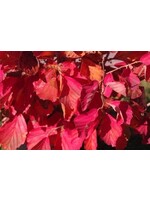
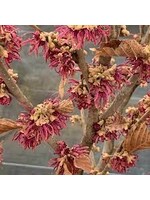
Parrotias are so underused! Fantastic small tree that should be in more landscapes. Unusual spring red flowers, attractive foliage and brilliant fall foliage that ranges from bronze, crimson, orange to gold.
A very large tree getting to 75-100 feet tall and wide with a trunk size getting up to 8 foot diameter. Most notable feather is the exfoliating bark that exposes white.
This native cherry tree has loads of 6" long pendulous clusters of fragrant white flowers. The flowers give way to small (3/8") red fruits that ripen to dark purple.
Terrific Native tree that can be planted now and will be around for generations to come! Make sure that you have room for this tree since it can reach 100 feet tall.
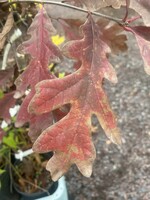
Nice native white oak tree! The leaves emerge bronze in color, turn dark green over the summer and then a yellow to red fall color. The common name of Swamp white Oak would make you believe that it only can handle wet soil but it can do fine in average so
Easy to grow large shade tree for average to dryer sites. Matures to about 70' tall. Nice deeply cut glossy green leaves all summer turning scarlet in the fall. Makes a really nice stately shade tree that can be enjoyed for generations.
A large shade tree with handsome glossy green foliage in summer that transitions to a beautiful scarlet red in fall. Oaks are known for being supportive to the most wildlife.
Very popular and common native Oak tree in our area and for a good reason- IT DOES WELL It is a large shade tree reaching up to 70 feet tall. The branches of mature trees grow up at the top, out at the middle and down at the bottom. This growth habit giv
Very popular and common native Oak tree in our area and for a good reason- IT DOES WELL It is a large shade tree reaching up to 70 feet tall. The branches of mature trees grow up at the top, out at the middle and down at the bottom.
As with all oaks this is an important wildlife tree. It is the larval host for tons of moths and butterflies and the acorns are food for many different types of mammals and birds. Common name comes from the very dark bark when it reaches maturity.