Your cart is currently empty
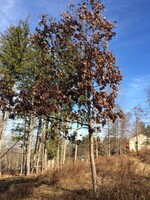
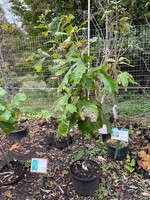
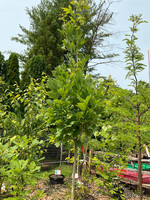
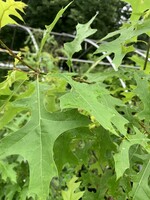
Very popular and common native Oak tree in our area and for a good reason- IT DOES WELL It is a large shade tree reaching up to 70 feet tall. The branches of mature trees grow up at the top, out at the middle and down at the bottom. This growth habit giv
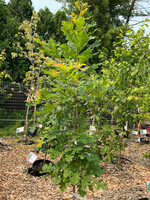
Very popular and common native Oak tree in our area and for a good reason- IT DOES WELL It is a large shade tree reaching up to 70 feet tall. The branches of mature trees grow up at the top, out at the middle and down at the bottom.
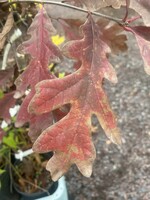
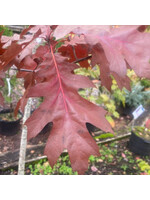
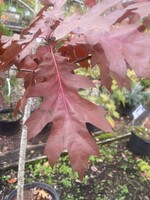
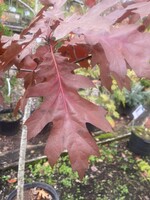
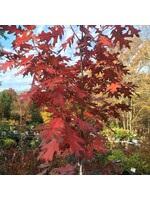
This native oak tree matures into a stately tree up to 75 feet tall and almost as wide. Glorious red-brown fall foliage. Very long lived- Plant today and your ancestors, as well as the environment, will thank you..
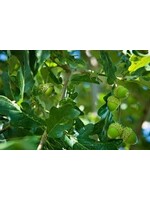
As with all oaks this is an important wildlife tree. It is the larval host for tons of moths and butterflies and the acorns are food for many different types of mammals and birds. Common name comes from the very dark bark when it reaches maturity.
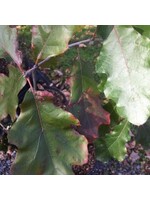
Quercus X Jillian Ann Young is a natural cross of swamp white, bur, and overcup oaks, and was discovered at Forrest Keeling Nursery by founder Wayne Lovelace. The tree is named in honor of his granddaughter, Jillian Anne Young.
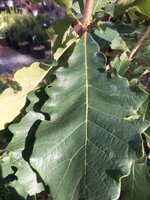
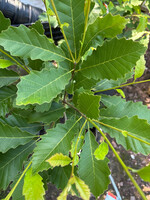
This is a hybrid species of two of our native oaks, the Bur Oak and Swamp White Oak. These two species can be seen hybridizing in the wild. ‘Kimberly Select’ produces lots of acorns making it a good choice for wildlife planting. The foliage is dark glossy
The Prairie Coneflower 'Red Midget' is a nativar that has flowers that are bright yellow and red with a dark brown, long, cylindrical center. The flowers resemble a slender sombrero, hence the name. This is a drought tolerant plant.
Grows up to 5' tall with slender sombrero shaped yellow flowers for a good part of the summer. Butterflies love it.
This a leafy perennial grown for its edible stems that are used most commonly in pies. Grows 2-4 feet tall with large leaves and red stems.
Bright, bold blooms that can range from any combination on red, orange, and yellow. This species is often used as a parent of many Hybrid deciduous azaleas!
'Gro-Low' is a dense, low-growing shrub that spreads by root suckers. It has excellent fall color including red, orange, and yellow! This is one of our favorite easy to grow plants for tough spots. Reaches 18-24" in full sun to part shade
This plant's foliage explodes in a beautiful Chartreuse in the spring then changes to Yellow. The stems are rosy pink which sets off the foliage well. The deeply cut foliage shines all summer but takes center stage in the fall when it turns an intense sca
Produces loads of delicious sweet red fruits around July on a compact sized self pollinating shrub.
White flowers emerge in April/May on this native shrub, after pollination these flowers give way to tart green fruits that will turn purple when ripe! Fruits will typically ripen in mid to late summer. The fruits are edible.
This is a great mildew resistant variety of gooseberry. Produces medium to large, tart, pink gooseberries that ripen in July.
This is a great tree for Honey Bees but not always the best as a landscape tree. It is prone to self seeding and suckering so it will multiply which is great if you want more of them but not if you want a tree that stays in one place. Very showy flowers.
We dont sell any of the hybrid roses like Knock Outs due to the prevalence of Rose Rosette Disease which is killing them. These roses are native to PA and not susceptible to the fatal disease. They grow 3-6' tall in full to part sun in wet conditions. Thi
Blackberries and Raspberries are really some of the easiest to grow fruiting shrubs. Plant a few varieties for the most success. Bristol is a mid season black raspberry good for fresh eating freezing or preserving. Self pollinating.
Delicious non seedy black raspberries on a self pollinating plant. Berries usually mature late June early July.