Your cart is currently empty
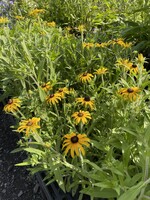
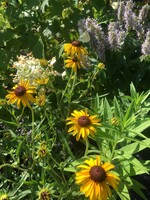
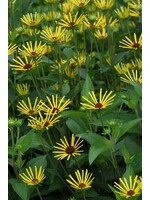
Perennial Plant of the Year 2000. Really nice long bloomer- starts in spring and continues well into the fall. Grows 12-18" tall and wide in full sun.
This grass has four season interest and makes a great screen, accent, or mass planting. Beautiful silvery blue foliage throughout summer with red maroon fall color that persists well into winter.
We love this vine as an alternative to the regular climbing hydrangea. The heart shaped blue green leaves are cast in silver with dark veins making it attractive even when not in bloom. When it is in bloom they are a gorgeous lace cap in pink that can be
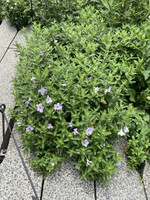
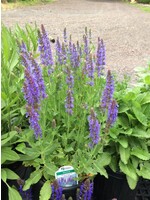
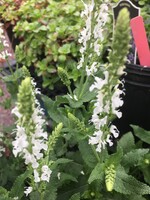
'Appalachian Blues' is a shade adaptable deciduous perennial that has purple and white colored flowers that bloom between May and June. This plant will bloom for several weeks, and is attractive to several bee species.
This an improved version of the old garden classic Autumn Joy sedum. The flowers are larger and more colorful and the plants dont tend to flop as much as Autumn Joy. Grows to 24-30" tall in full sun.
This is a mixed selection of the very tough dry site tolerant succulent perennial.
A tall native that provides the garden with bright yellow flowers in summer and attractive foliage. Not only will Senna attract pollinators, but it is also a larval host for Sulphur butterflies.
This low grass forms attractive tufted mounds of attractive arching foliage. The silvery plumes that rise above fade to gold in the fall and sway nicely in the breeze. Very adaptable and even deer resistant. If you have ever admired the plantings on New
Nice native ground cover that is an excellent nectar source for many bees, butterflies, and hummingbirds. This can be used as a native alternative to dianthus. Grows to 10-12" tall in full to part sun
The Fire Pink is an herbaceous perennial that features attractive red flowers that bloom in late May to early July. The plant attracts hummingbirds and butterflies when in bloom. Classified as endangered in FL, MI, and WI.
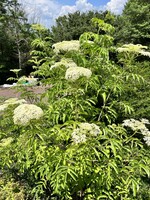
Big bold and beautiful! this plant needs lots of room! The square stems with opposing leaves that attach to the stems by wrapping around it forming a cup, hence the name. In our planting at the nursery the flowers are covered in pollinators and the birds
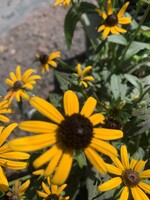
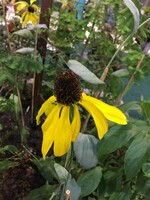
Nice tall yellow flowering native wildflower.
Tufted clumps of narrow foliage give way to soft blue flowers with yellow centers. This has a larger flower than some other blue eyed grasses. Enjoyed by pollinators.
One of the only goldenrods to tolerate shade -an excellent selection for a wooded area. Popular with the pollinators.
This golden rod is native to wet boggy soils and would make an excellent addition to stream bank restoration areas. Typically of some other Goldenrods like Canada Goldenrod this species will spread via rhizomes.
This is a woodland goldenrod that is very shade tolerant! This late season bloomer is a pollinator magnet with its spikes of small bright yellow flowers.
The Grayleaf Goldenrod is an herbaceous perennial that features yellow flowers which bloom in the late summer to late fall. The leaves turn gray/silver in the fall.
Awesome plant for bees and butteflies! Small golden yellow blooms on thin leafed foliage. A fragrant plant that is known for smelling like anise when the leaves are crushed.
A firework display of vibrant yellow flowers on long arching stems really do a put on a show late in the season. Usually blooming in September Goldenrod adds not only beauty to the garden but late season pollinator food too!
Goldenrods often get a bad name since they get blamed for allergies but they are rarely the culprit, its usually ragweed that blooms at the same time. This variety is a nice compact plant that only grows to 10-12" tall. Bright lemon yellow flower spikes a