Your cart is currently empty
Berlandiera lyrata, aka the Chocolate Flower gets its name because the flowers smell like chocolate. This is an herbaceous perennial that is native to the Southwestern USA and Mexico that has daisy-like flowers which are yellow with maroon-brown centers.
The Fire Pink is an herbaceous perennial that features attractive red flowers that bloom in late May to early July. The plant attracts hummingbirds and butterflies when in bloom. Classified as endangered in FL, MI, and WI.
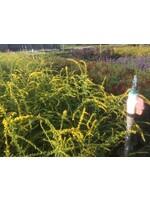
Solidago rugosa, commonly called rough goldenrod, rough-stemmed goldenrod or wrinkle-leaved goldenrod, is a native plant that has bright yellow flowers in late summer to fall (August to October). This plant is very attractive to bees and butterflies.
The Wild Blue Phlox is a mat-forming herbaceous perennial that features rose/lavender or violet/blue flowers that bloom in the spring to early summer.
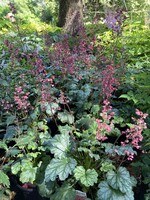
Heuchera americana, commonly called coral bells or alumroot, is a perennial native to eastern and central North America. This plant has heart-shaped leaves and tiny greenish-white bell-shaped flowers in the late spring to early summer.
A hidden gem! The blooms will dazzle you from July to September and provide pollinators with a steady source of food. It is a very tolerant plant and works great in those hard to deal with areas! An added bonus - it's highly deer resistant!
The first purple flowering Iberis giving you the chance to have this excellent ground cover without being stuck with a white flower! Dark green evergreen foliage creates a nice mound in sun to part shade.
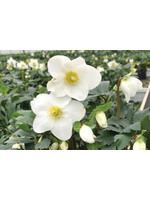
One of the most pure white flowered Dicentras! A beloved shade plant 'Titanium' brings beautiful white blooms paired with blue green foliage.
A sign for spring! This early blooming ground cover has soft pink flowers that sit above large leaved evergreen foliage.
Awesome plant for bees and butteflies! Small golden yellow blooms on thin leafed foliage. A fragrant plant that is known for smelling like anise when the leaves are crushed.
The mountain mints are listed on many “Top Ten Plants for Pollinators” lists
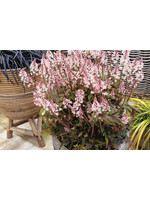
Loads of flowers start pale apricot and gradually darken to pink. The multitudes of flowers all at different times of blooming creates a mix of colors.
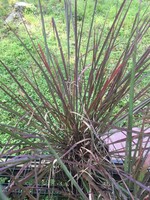
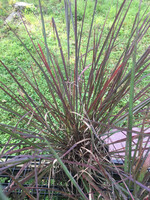
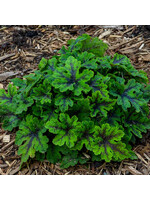
The foliage emerges in the spring like purple flames. Prefers consistent moisture so site it accordingly. Grows to 2-3 feet tall and wide.
This cultivar was discovered growing in the wild. The flower petals are curled which creates a quilled effect.
Perennial Plant of the Year 2023. Move over Goldsturm, this smaller version is much more resistant to Septoria Leaf Spot which is what causes Goldsturm to look rough by late summer. Grows to about 22"
Part of the compact 'Bee-you' line of Monardas 'Bee-Free' produces large bright fushia flowers throughout summer. A favorite of pollinators this perennial will bring butterflies, hummingbirds, and bees to your garden!
This pollinator magnet produces tons of yellow flowers which are loved by bees, flies, beetles, and others. The foliage is also enjoyed by swallowtail butterfly caterpillars. This is a terrific choice for a rain garden or naturalized area. Grows to 1-3' t
A tried a true Tiarella! 'Elizabeth Oliver' has been around for a while now and is still a favorite among plant people. It has very showy flowering with white and pink bottle brush blooms that rise high above the gorgeous foliage in spring.
Standing out from the rest of the asters 'Snow Flurry' is a low growing ground cover cultivar. Only getting to be 4-6 inches tall but spreading beautifully around rock gardens, garden borders, or any hard to plant sunny dry area.
This native mountain mint is really a pollinator magnet! Our planting at the nursery is truly covered in countless pollinators during the summer. It is in the mint family but not as aggressive as other mints. It will spread but can be controlled but cutti
The Sneezeweed is an herbaceous perennial that features daisy like yellow flowers that bloom from August to October. This plant is clump-forming and can be cut back at least 6 weeks before blooming to reduce plant height and encourage branching.
This native plant is a butterfly magnet. Historically used in medical herb gardens since the foliage has medicinal properties. Grows to 4-6' tall and 3-4' wide in full to part sun.